


Have an expert call me within the next five minutes.
Marketing Strategy
Webolutions Strategic Marketing Services
Speak with a Marketing Strategy Expert Today




Marketing Strategy Services
At our core, we at Webolutions Digital Marketing Agency believe that a solid marketing strategy is vital to the success of any business. It’s a roadmap that guides your efforts to promote your products or services to your target audience, and it encompasses everything from branding and advertising to public relations and sales.
To create a comprehensive marketing plan tailored to your specific needs and goals, consider partnering with our marketing strategy services. Our team of experts can help you develop a brand strategy, which is a crucial part of your overall marketing strategy. By creating a unique identity and messaging that sets your business apart from its competitors, you can establish trust and credibility with your target audience, build brand recognition and loyalty, and ultimately drive sales and revenue.

Branding
Webolutions excels in branding by crafting unique and memorable brand identities that resonate with your target audience. Our process begins with a deep dive into your business values, mission, and market positioning. We then create compelling brand stories, visual identities, and messaging strategies that differentiate you from competitors. Our team ensures that your brand is consistently represented across all touchpoints, fostering strong connections and loyalty. With Webolutions, you build a powerful brand that drives recognition, trust, and growth. Partner with us to elevate your brand to new heights.

Market Positioning
Webolutions strengthens market position by defining and defending what makes your business unmistakably valuable in a crowded landscape. We analyze market dynamics, buyer intent, competitor positioning, and category gaps to identify where your organization can win—and why. From there, we develop a clear market positioning framework that aligns your offerings, messaging, and digital presence around a focused competitive advantage. The result is stronger differentiation, increased relevance with your ideal customers, and greater pricing and growth leverage over time. Partner with Webolutions to secure a market position that is intentional, defensible, and built for long-term success.

Strategy Development
Webolutions excels in brand strategy development by creating cohesive and impactful strategies that align with your business vision and goals. Our approach involves thorough market research, competitive analysis, and an in-depth understanding of your target audience. We then craft a unique brand positioning and messaging framework that sets you apart in the marketplace. Our strategies are designed to enhance brand equity, drive customer loyalty, and foster long-term growth. Partner with Webolutions to build a robust brand strategy that delivers sustainable success.

CRM Consulting & Integration
Webolutions delivers strategic CRM consulting that transforms customer data into scalable growth. As a HubSpot Gold Solutions Partner, we help organizations implement, customize, and optimize HubSpot CRM to align seamlessly with their marketing, sales, and service operations. Our approach combines deep platform expertise with a clear understanding of your business goals and workflows, ensuring your CRM supports efficiency, automation, and meaningful customer engagement. From system migrations and integrations to ongoing optimization and training, Webolutions builds CRM solutions that improve visibility, strengthen relationships, and support long-term performance. Partner with Webolutions to turn your CRM into a powerful engine for growth and customer loyalty.

Business Intelligence
Webolutions excels in business intelligence by transforming data into actionable insights that drive strategic decision-making. Our expertise lies in data analysis, visualization, and reporting, providing you with a clear understanding of your business performance. We utilize advanced analytics tools to uncover trends, identify opportunities, and predict future outcomes. Our customized solutions ensure that you have the right information at your fingertips to make informed decisions. Partner with Webolutions to harness the power of data and gain a competitive edge in your industry.
Why Webolutions for Your Marketing Strategy?
Webolutions is your ideal partner for marketing strategy services, combining a wealth of expertise with a deep commitment to understanding your unique brand, industry, and goals to craft tailored, results-driven strategies that propel your business forward.

Proven Expertise
Years of Experience: With decades of experience, our team has honed its marketing strategy skills, ensuring you receive the highest level of expertise in the industry.

Tailored Solutions
Customized Approaches: We understand that every business is unique, and our strategies are meticulously tailored to meet your specific needs, goals and objectives.

Data-Driven Results
Strategies Backed by Data: Our approach is rooted in data analysis, allowing us to create strategies that deliver measurable results, optimizing your marketing investments.

Testimonials
What people are saying
This was our third website. Webolutions was the first company who used a system and hit milestones. They bent over backwards to make the experience smooth for us. Their process pulls all the stuff out of your head and puts it back together in a meaningful way.
Nate Farley
Founder & CEO, NationScapes

Testimonials
What people are saying
Their ability to develop a functional yet stylish website that can also generate traffic and conversions is uncommon and sets them apart.
Janel Kane
Digital Marketing Manager, Avantes

Testimonials
What people are saying
I wouldn’t want to go anywhere else. I am always confident that they will provide the best possible final product.
Randy Cupps
Marketing Manager, South Denver Cardiology Associates

Testimonials
What people are saying
Our website project was incredibly complex. Communication, response time, and all our interactions with everyone have been great.
Jaye Cottrill
Global Marketing Communications Manager, Laser Technology, Inc

Testimonials
What people are saying
Webolutions is a partner, not a vendor. Our goals are their goals.
Krissa Szmyd
Director of Marketing & Communications, Galloway & Company, Inc
Get Your Free Proposal
Pick your option below and get connected with a marketing strategy expert.

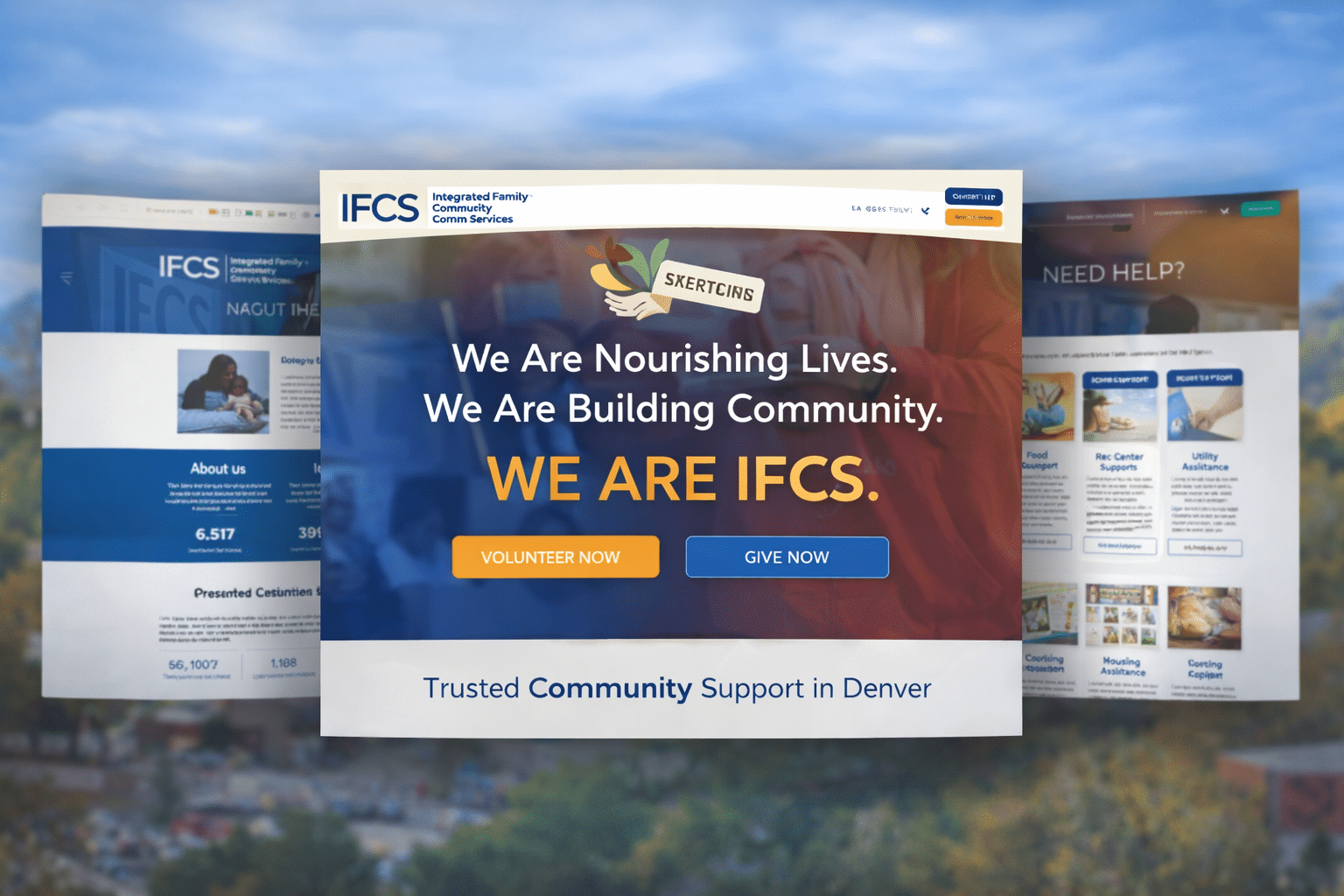
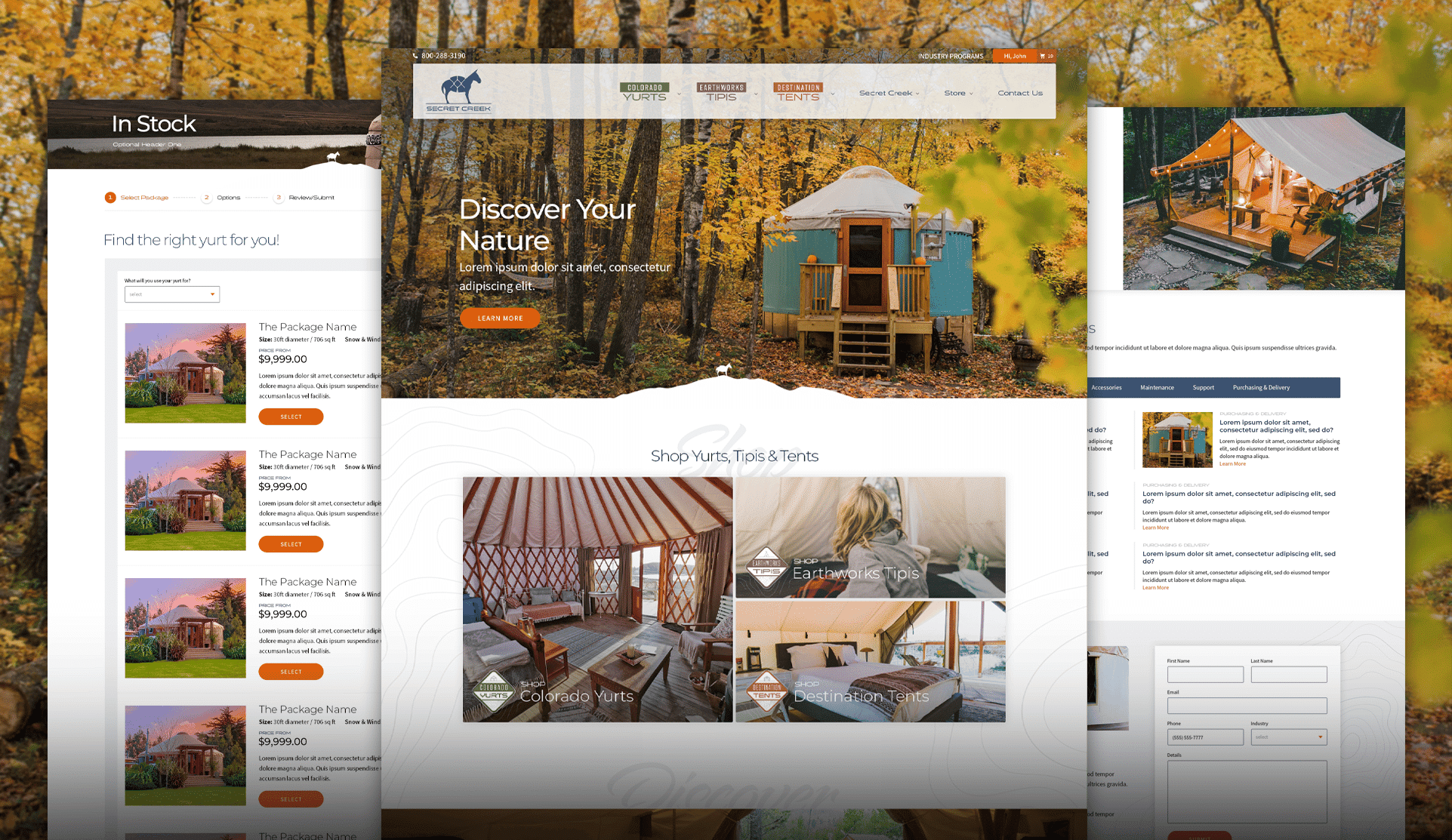
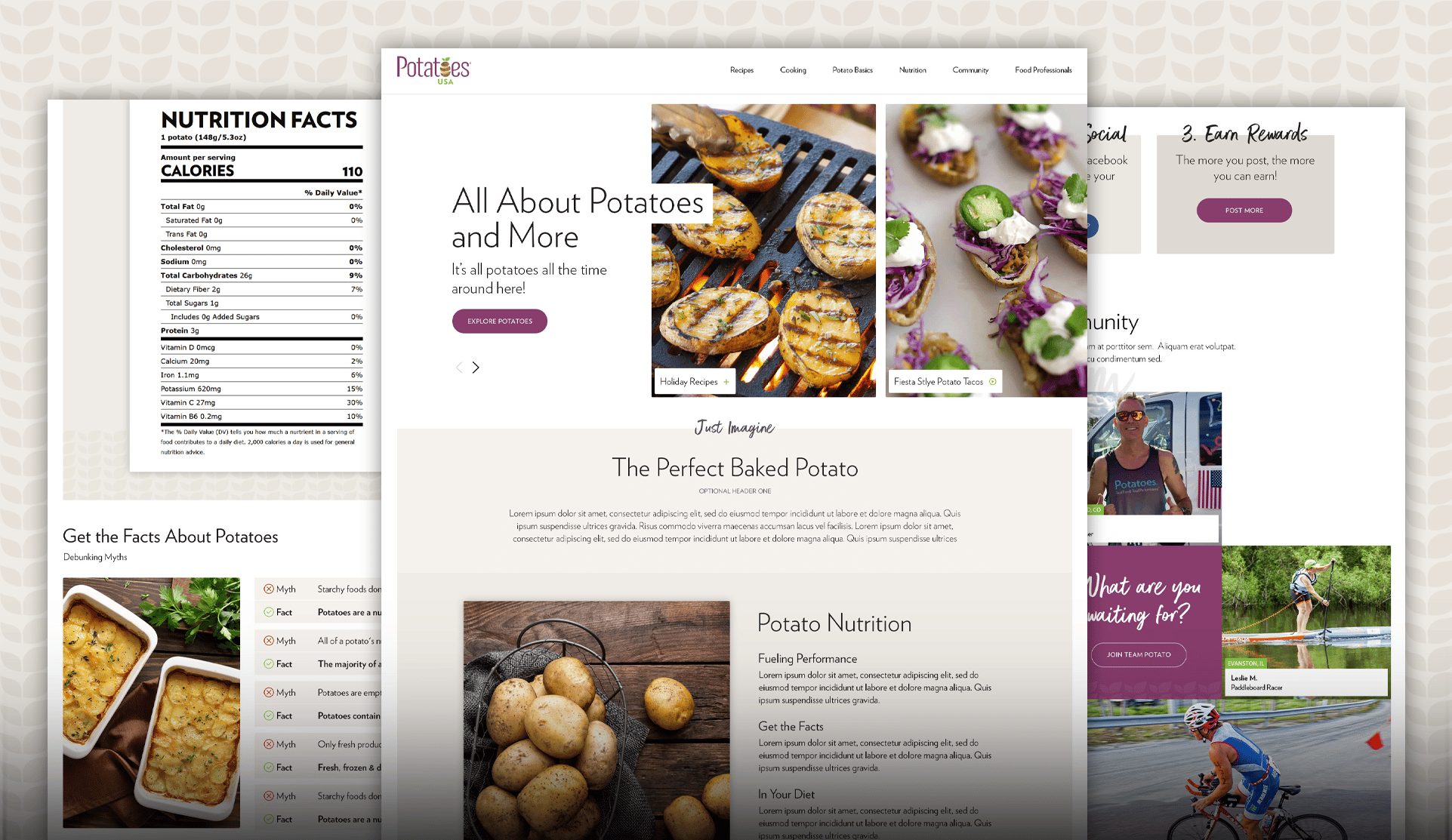
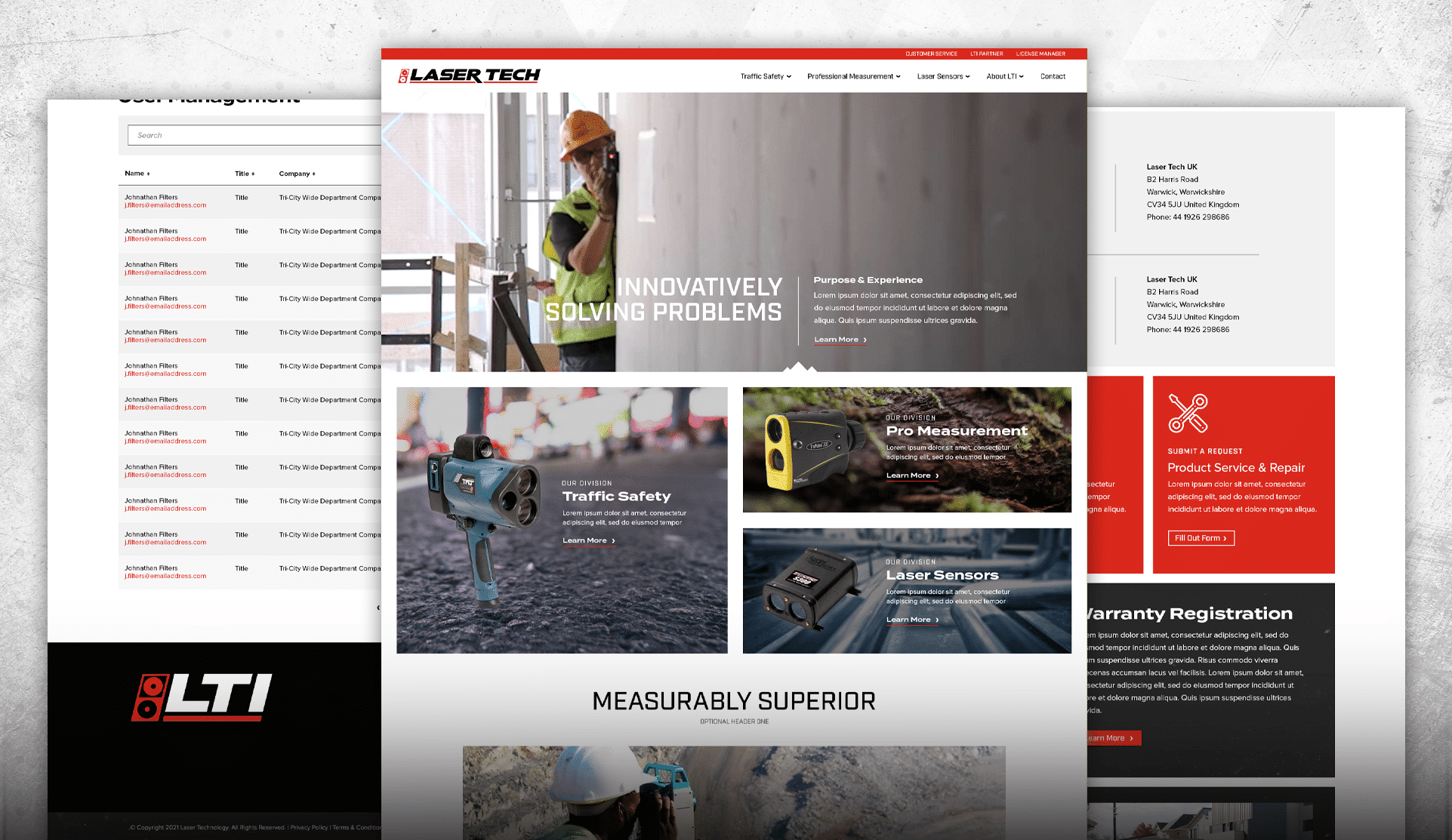
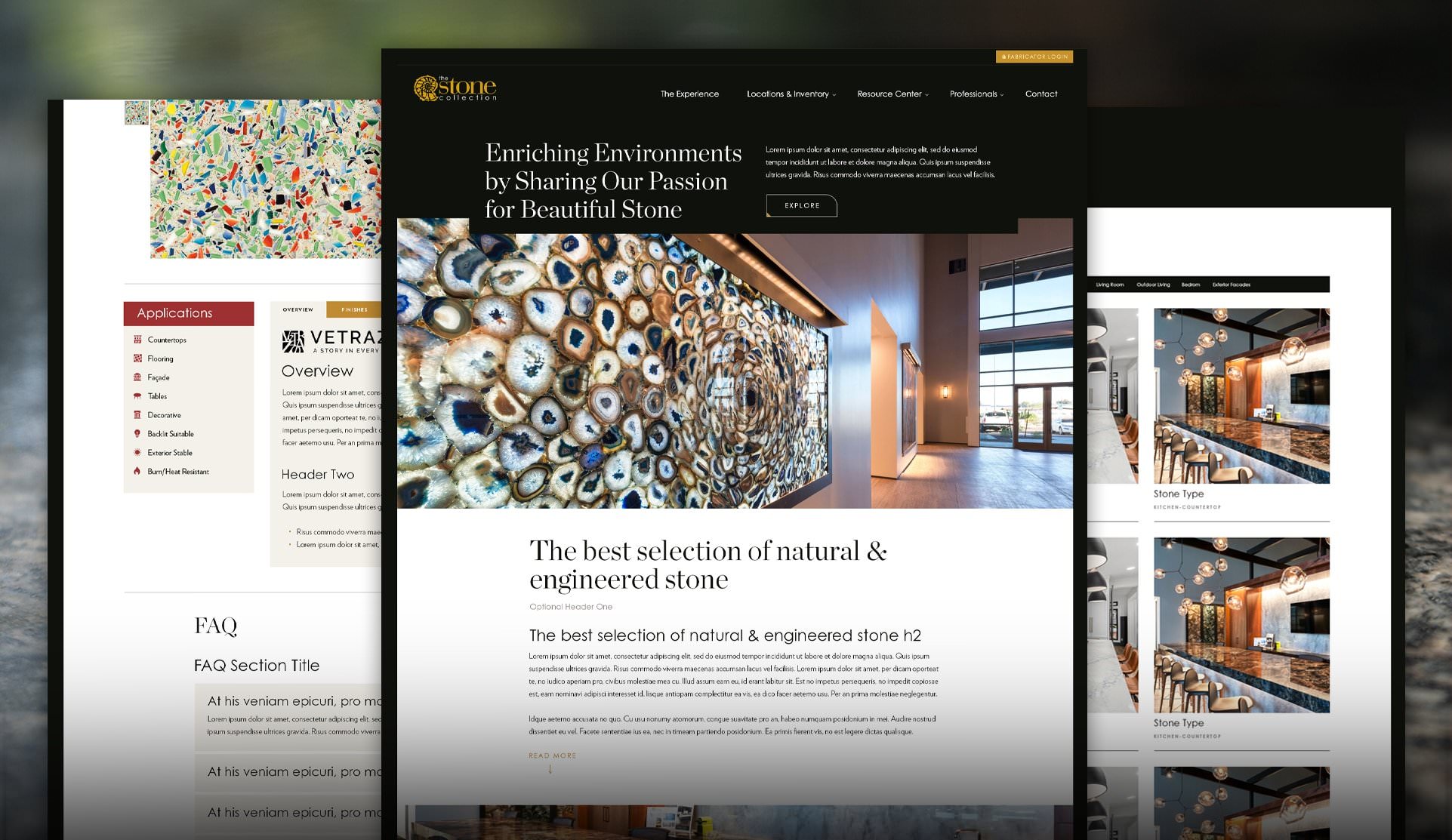
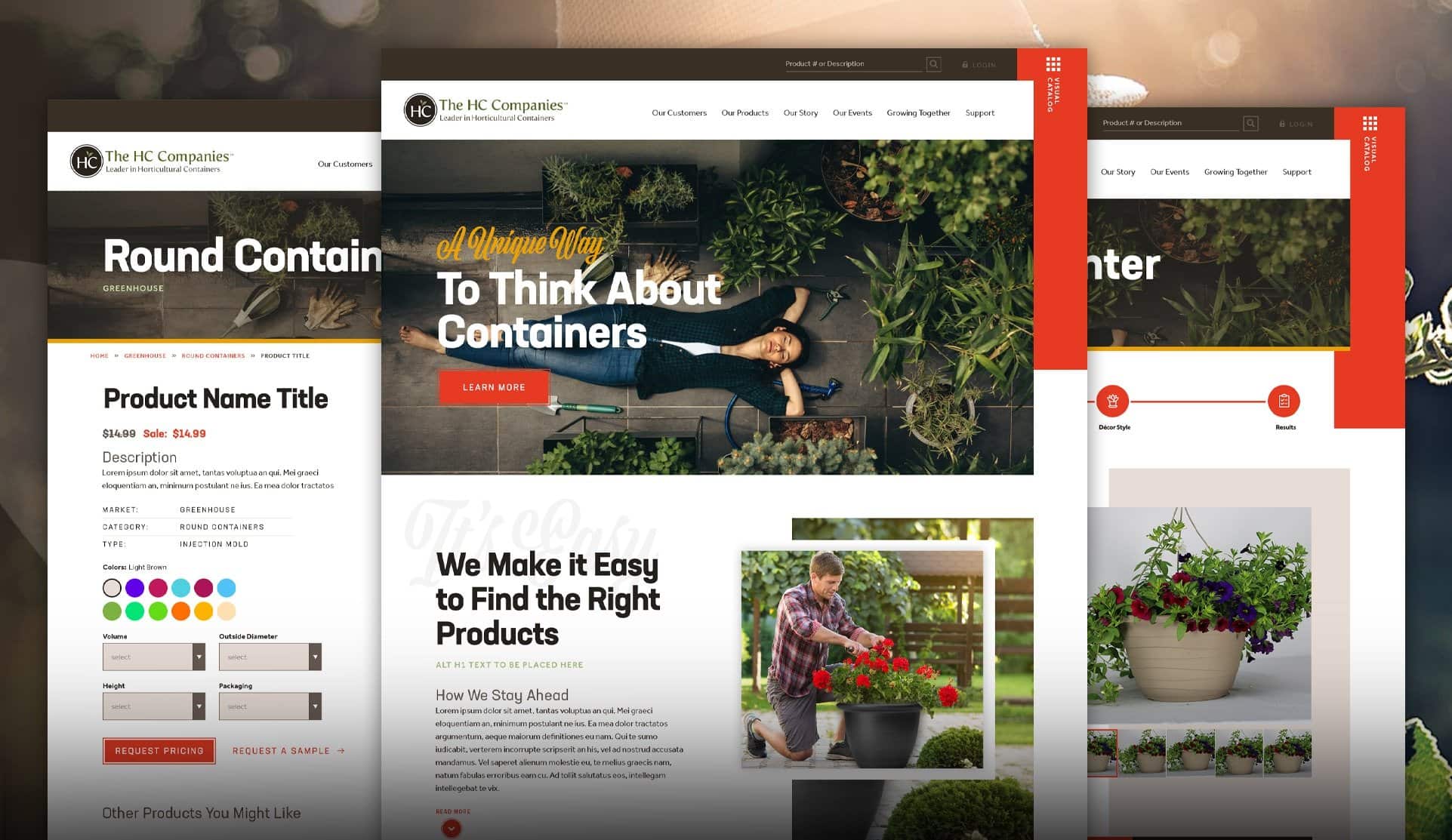
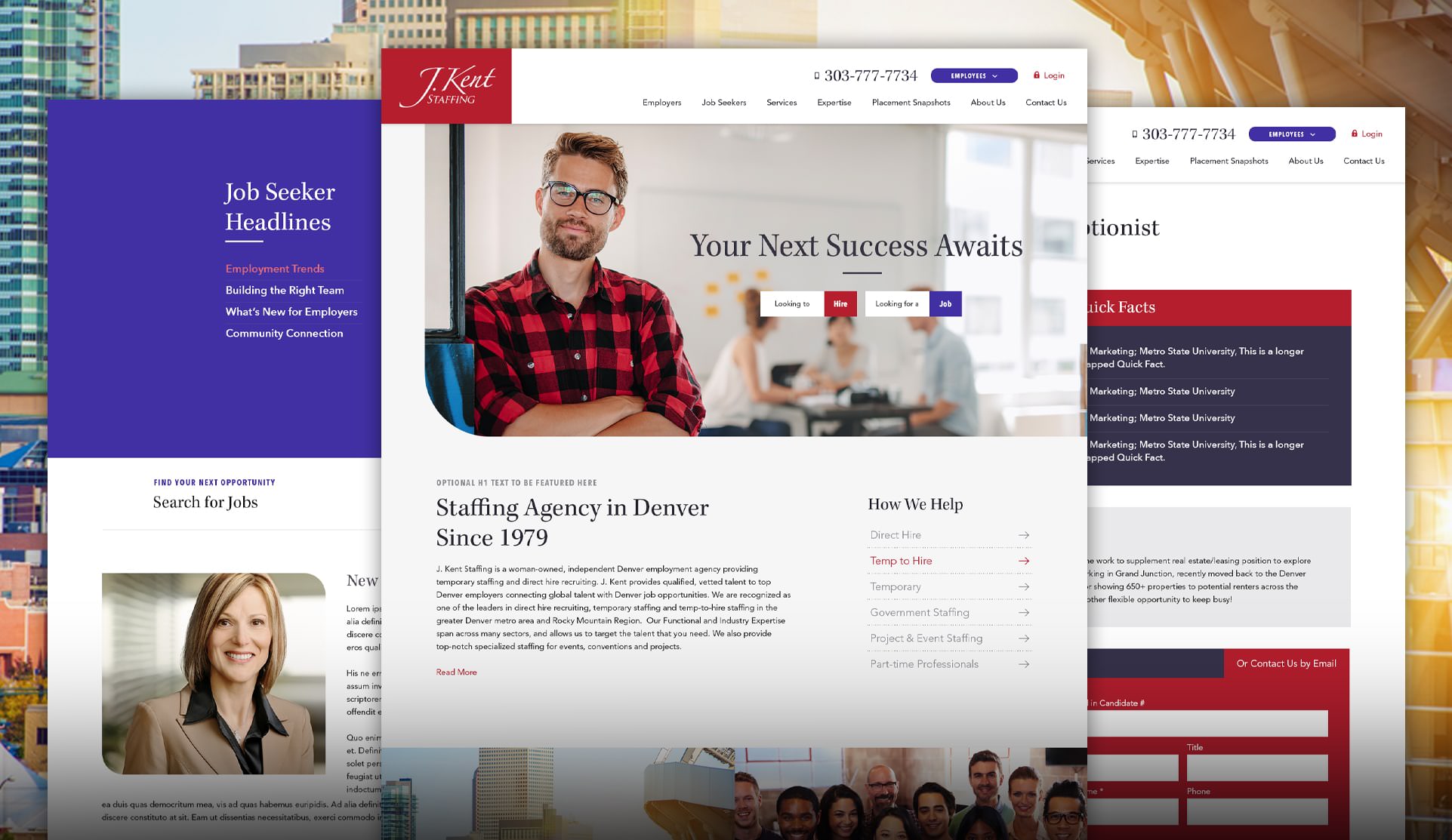
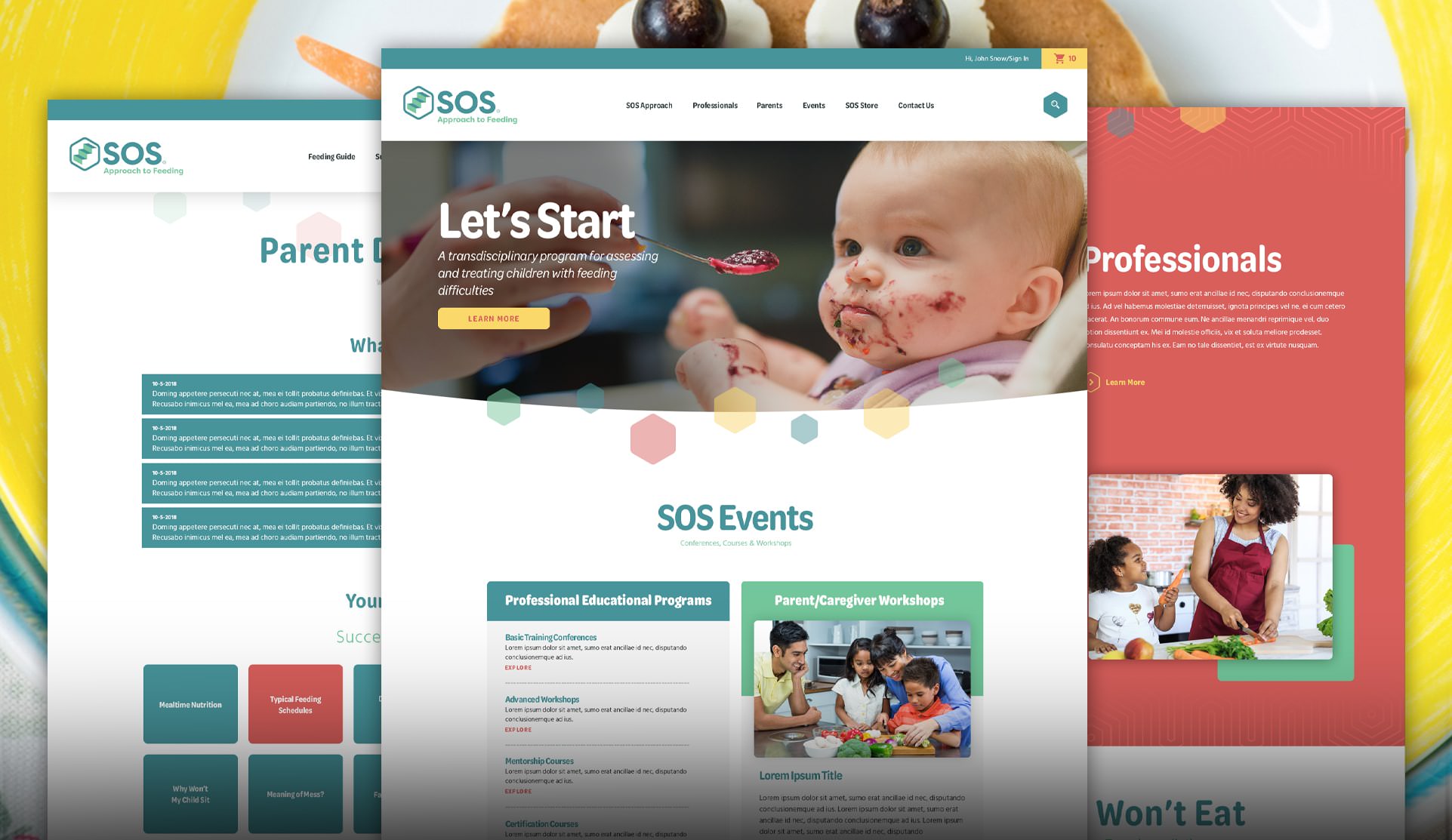
Some of Our Work in Marketing Strategy


Marketing Strategy FAQs
How does SWOT analysis contribute to strategy development?
SWOT analysis helps identify internal Strengths and Weaknesses, as well as external Opportunities and Threats. This analysis informs strategic decision-making by highlighting areas for improvement, potential risks, and avenues for growth.
See What Role Do Performance KPIs Play in Strategy Development?
How can organizations foster a culture of strategic thinking among employees?
Building a culture of strategic thinking involves encouraging open communication, empowering employees to contribute ideas, providing strategic training, and recognizing and rewarding strategic initiatives. It’s about creating an environment where everyone understands and contributes to the organization’s strategic objectives.
See How Can Organizations Ensure Effective Communication to All Stakeholders?
How does self-service BI empower business users?
Self-service BI allows non-technical users to create reports and analyze data independently. Users can access and manipulate data through user-friendly interfaces, reducing reliance on IT departments and accelerating decision-making processes.
Next Business Intelligence FAQ: What are the key components of a business intelligence system?
How can organizations ensure effective communication of the developed strategy to all stakeholders?
Effective communication of the strategy involves clear and transparent messaging, tailored communication methods for different stakeholders, and ongoing updates. It’s important to create a shared understanding of the strategy’s purpose, goals, and the role each stakeholder plays in its implementation.
See What is the Importance of Flexibility in Strategy Development?
How do you define a target market in a marketing strategy?
Defining a target market involves a detailed understanding of the ideal customer profile. This includes demographics, psychographics, behaviors, and preferences. Market research helps identify the most receptive audience for a product or service.
Next Marketing Strategy FAQ: How do you measure the success of a marketing strategy?
What is the difference between a brand and a logo?
A logo is a visual symbol representing a brand, while a brand encompasses the overall perception and identity of a business. A brand includes visual and non-visual elements, whereas a logo is a specific graphic element.
Next Branding FAQ: Why is branding important for a business?
What is brand management?
What is Brand Management?
Brand management is the strategic process of maintaining, improving, and upholding a brand so that the name is associated with positive results. This involves several key activities:
- Brand Consistency: Ensuring that all brand communications and experiences are consistent across all channels and touchpoints, including visual elements, messaging, and customer interactions.
- Reputation Management: Monitoring public perception and managing the brand’s reputation by addressing any issues or negative feedback promptly and effectively.
- Brand Equity Building: Increasing the brand’s value through positive customer experiences, high-quality products or services, and effective marketing strategies.
- Performance Monitoring: Regularly measuring brand performance using key metrics such as brand awareness, customer loyalty, and market share to assess the effectiveness of branding efforts.
- Adaptation and Evolution: Continuously updating and evolving the brand to stay relevant in a changing market, which may involve rebranding efforts, new marketing strategies, or product line expansions.
- Stakeholder Communication: Engaging with internal and external stakeholders, including employees, customers, and investors, to ensure alignment and support for the brand’s goals and initiatives.
Effective brand management ensures that a brand remains strong, recognizable, and trusted, leading to increased customer loyalty, market share, and overall business success.
How can social media be utilized for brand building?
Social media provides a platform to engage with the audience, share brand values, and showcase the personality of the brand. Consistent, authentic, and interactive social media presence contributes to brand awareness and loyalty.
Next Branding FAQ: How do you measure the success of a brand?
How do you measure the success of a brand?
Brand success can be measured through indicators such as brand awareness, customer perception, customer loyalty, market share, and financial performance. Surveys, feedback, and tracking key performance metrics contribute to assessing brand health.
Next Branding FAQ: How does branding contribute to customer loyalty?
What is brand development?
Brand development is the comprehensive process of creating and enhancing a brand’s identity, positioning, and value in the marketplace. This involves several key steps:
- Defining Core Values: Establishing the fundamental beliefs and principles that guide the brand’s actions and decisions.
- Creating a Brand Mission and Vision: Formulating the brand’s long-term goals (vision) and the purpose it serves (mission).
- Designing Brand Identity: Developing visual and verbal elements such as logos, color schemes, taglines, and messaging that represent the brand.
- Understanding Target Audience: Identifying and analyzing the demographics, preferences, and behaviors of the brand’s intended customers.
- Positioning the Brand: Crafting a unique market position that differentiates the brand from its competitors and highlights its unique selling propositions (USPs).
- Building Brand Equity: Increasing the perceived value and recognition of the brand through consistent and effective communication and customer experiences.
- Ongoing Evaluation and Adaptation: Continuously monitoring the brand’s performance and making adjustments to maintain its relevance and effectiveness in a changing market.
Effective brand development ensures a strong, cohesive, and recognizable brand that resonates with its target audience and stands out in the competitive marketplace.
What is the significance of data visualization in BI?
Data visualization transforms complex data sets into easily understandable visual formats, such as charts and graphs. This enhances user comprehension, making it easier to identify trends, patterns, and outliers in the data.
Next Business Intelligence FAQ: What role does predictive analytics play in BI?
How can businesses scale their BI initiatives as they grow?
Scaling BI involves investing in scalable infrastructure, incorporating cloud-based solutions, and adopting flexible BI tools. Additionally, providing training for users and expanding data sources support the growth of BI initiatives within an organization.
Next Business Intelligence FAQ: How can businesses use BI for competitive advantage?
What role does predictive analytics play in BI?
Predictive analytics uses statistical algorithms and machine learning techniques to forecast future trends based on historical data. In BI, predictive analytics enhances decision-making by providing insights into potential outcomes and scenarios.
Next Business Intelligence FAQ: How can businesses ensure data quality in business intelligence?
What is business intelligence (BI)?
Business intelligence refers to the use of technology, processes, and tools to collect, analyze, and present business data. The goal is to turn raw data into actionable insights, helping organizations make informed decisions and improve overall performance.
Next Business Intelligence FAQ: What is the significance of data visualization in BI?
How does BI differ from traditional reporting?
While traditional reporting provides static, historical data, BI involves real-time analysis and interactive dashboards. BI tools offer dynamic insights, enabling users to explore data, uncover trends, and gain a deeper understanding of business performance.
Next Business Intelligence FAQ: How does self-service BI empower business users?
Other Marketing Strategy Services
Marketing and Brand Strategy
Branding
Branding is the practice of creating a unique identity for a company, product, or service. It involves defining the brand's values, personality, and visual elements to leave a lasting and positive impression on customers, building recognition and trust.
Business Intelligence
Business intelligence (BI) is the use of data analysis tools and techniques to transform raw data into valuable insights, helping companies make informed decisions, identify opportunities, and optimize their operations, ultimately leading to improved efficiency and strategic planning.
Market Positioning
At the core of everything we do is the client’s market positioning. That is why most engagements start with our Market Positioning Action Plan™. This is our systematic approach to helping clients define not just what they do, but why they do it and why their customers should care.
Strategy Development
Strategy development is the process of crafting a clear and actionable plan to achieve specific business objectives. It involves assessing the current state, setting goals, and outlining the steps, tactics, and resources needed to reach those objectives effectively, ensuring a path to success for a company.
Keep your marketing strategy ahead of the competition with valuable industry insights
Sign up for our Accelerated Business Growth Insider and stay in the know.
Featured Marketing Strategy Blogs

7 Reasons Why Your Brand Doesn’t Stand Out
In today’s competitive marketing landscape, it’s increasingly difficult to stand out. Your audience is bombarded with a multitude of options, both online and offline,…
March 2, 2026
Read Full Article

Leading Your Market Marketing Strategy
Hybrid Experience Marketing: Digital + Physical Integration
In the era of digital acceleration, brands have invested heavily in online engagement—automated nurture paths, virtual events, and advanced personalization systems. Yet in parallel,…

Digital Marketing Leading Your Market
Balancing AI Productivity with Human Expertise to Elevate Your Marketing
AI tools are playing an increasingly prominent role in the marketing process, providing businesses with a powerful tool to improve the speed, accuracy and…

B2B Marketing Trends Revenue Growth
The Future of the B2B Buyer Journey: 2025–2030 Predictions for Executives
Introduction: Why the Buyer Journey Is Entering a New Era The B2B buyer journey has always evolved in response to technology, market forces, and…
98% of sales reps with 5000+ LinkedIn connections meet or surpass sales quotas.
Get Your Free Proposal
Choose your option and connect with one of our marketing strategy experts.